
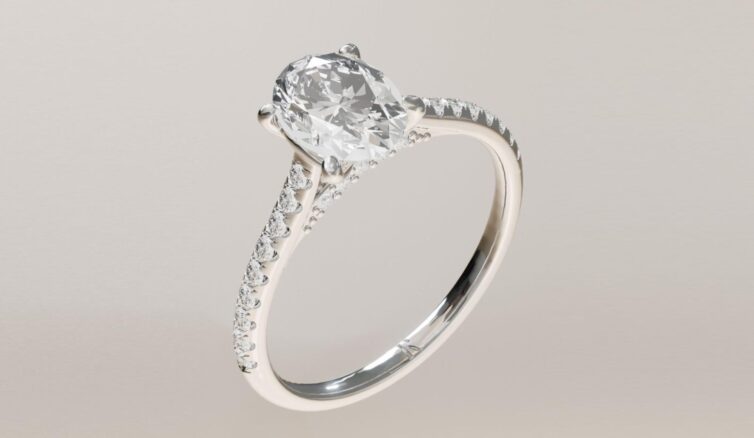
In an age of fast fashion and mass production, there remains something deeply meaningful about objects that are crafted with care, skill and history behind them.
Few possessions carry as much emotional significance as an engagement ring. More than a piece of jewellery, it represents commitment, personal stories and family traditions that often span generations.
Across Britain, engagement rings have long held a special place within our cultural heritage. From Victorian-era designs to contemporary bespoke creations, the craftsmanship involved in producing these treasured pieces reflects a wider story about British artistry, design and enduring traditions.
A Tradition Rooted in History
The practice of giving engagement rings has evolved over centuries. Diamond engagement rings gained prominence in Europe during the late Middle Ages and became increasingly popular throughout Britain during the Victorian era. Royal engagements and changing social customs helped establish the ring as a symbol of lasting affection.
Many antique engagement rings found across the United Kingdom today showcase the distinctive design influences of their period. Victorian rings often featured intricate detailing and romantic motifs, while Art Deco designs embraced bold geometric patterns and symmetry. Each era left its mark on the jewellery industry, creating a rich heritage that continues to inspire modern designers.
These historic influences remain visible in many contemporary engagement rings. Whether inspired by vintage aesthetics or minimalist modern design, today’s jewellers frequently draw upon centuries of craftsmanship and tradition.
Why Heritage Still Matters
As consumers become increasingly conscious about the products they purchase, there is a growing appreciation for craftsmanship, provenance and authenticity. People are often interested not only in what they buy, but also where it comes from and who created it.
This shift has renewed interest in Britain’s historic jewellery-making centres. These locations have served generations of jewellers, gemstone specialists and craftspeople, creating communities where expertise is passed from one generation to the next.
The preservation of these skills contributes to Britain’s wider cultural landscape. Jewellery craftsmanship forms part of the country’s creative heritage, alongside traditional industries such as ceramics, textiles and furniture making.
Supporting skilled craftspeople helps ensure that these valuable traditions continue to thrive in an increasingly digital world.
Hatton Garden: Britain’s Jewellery Quarter

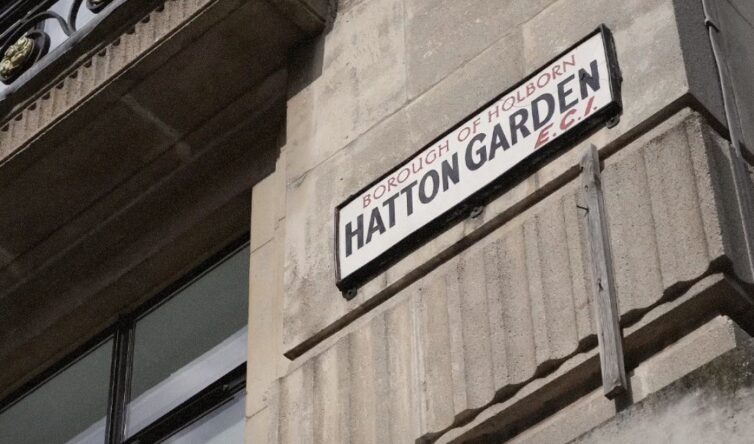
No discussion of British jewellery heritage would be complete without recognising the importance of Hatton Garden. Widely regarded as the centre of the UK’s jewellery trade, the district has been associated with diamond merchants, goldsmiths and specialist jewellers for generations. The area remains one of the country’s most recognised destinations for engagement rings and bespoke jewellery, bringing together designers, workshops and gemstone experts in a unique creative community.
What makes Hatton Garden particularly significant is its concentration of specialist knowledge. Customers can often speak directly with designers and craftspeople, gaining insight into the materials, techniques and decisions involved in creating a bespoke piece.
For many couples seeking a ring that reflects their personal story, the opportunity to work closely with experienced jewellers adds another layer of meaning to the purchase.
Those exploring diamond engagement rings in Hatton Garden often discover that the area’s appeal extends beyond the jewellery itself. The district represents a living example of British craftsmanship, where traditional skills continue to flourish within a modern marketplace. Information about handcrafted and bespoke engagement rings available in Hatton Garden demonstrates how the area’s heritage remains closely linked to contemporary jewellery design.
The Importance of Craftsmanship
What separates a meaningful engagement ring from a mass-produced accessory is often the quality of craftsmanship behind it. Skilled jewellers spend years mastering techniques that allow them to transform precious metals and gemstones into wearable works of art.
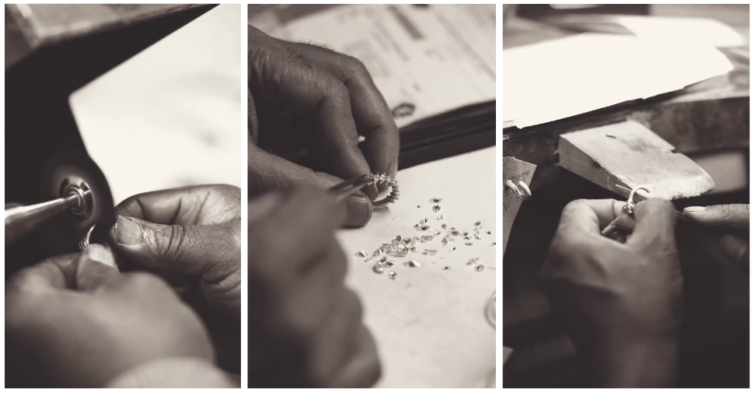
The process involves far more than simply setting a stone into a band. Designers carefully consider balance, proportion, durability and aesthetics. Goldsmiths shape and refine metal by hand, while setters secure diamonds with precision to maximise brilliance and longevity.
In many workshops throughout Britain, traditional techniques continue to be used alongside modern technology. Computer-aided design allows customers to visualise concepts before production begins, while experienced craftspeople apply finishing touches that cannot be replicated by machines alone.
This combination of innovation and heritage helps preserve valuable skills while meeting the expectations of modern consumers.
Modern Preferences and Changing Values

While craftsmanship remains important, modern buyers are also influenced by changing social values and personal preferences. Many couples now seek bespoke designs that reflect their individual style rather than following conventional trends.
There is also increasing interest in responsibly sourced gemstones and alternative options such as lab-grown diamonds. These developments have expanded the choices available to consumers while encouraging conversations about sustainability and transparency within the jewellery industry.
At the same time, classic designs continue to retain their appeal. Solitaire settings, halo designs and vintage-inspired rings remain enduring favourites because they combine elegance with timeless symbolism.
Ultimately, the most successful engagement rings balance personal expression with lasting quality. Whether traditional or contemporary, they serve as enduring reminders of significant life moments.
Jewellery as Cultural Expression
Beyond their personal significance, engagement rings also tell broader cultural stories. They reflect changing fashions, technological advancements and shifting social attitudes across different periods of history.
Museums and private collections throughout Britain contain examples that reveal how jewellery design evolved alongside wider cultural movements. The materials, craftsmanship and decorative styles used in rings often mirror developments in architecture, art and design.
This connection between jewellery and culture helps explain why engagement rings continue to fascinate people beyond their role as symbols of commitment. They represent a meeting point between personal history and collective heritage.
Preserving a Living Tradition
As Britain continues to celebrate its creative industries, traditional craftsmanship remains an important part of the national story. Skilled jewellers, designers and gemstone specialists contribute not only to the economy but also to the preservation of valuable cultural knowledge.
Engagement rings provide a particularly meaningful example of this living tradition. Each piece combines artistry, technical expertise and emotional significance in a way that few other objects can match.
In a world increasingly shaped by automation and disposable consumption, the enduring popularity of handcrafted jewellery demonstrates that people still value authenticity, heritage and craftsmanship. Whether inspired by centuries-old traditions or modern innovation, engagement rings remain powerful symbols of both personal commitment and Britain’s rich creative legacy.