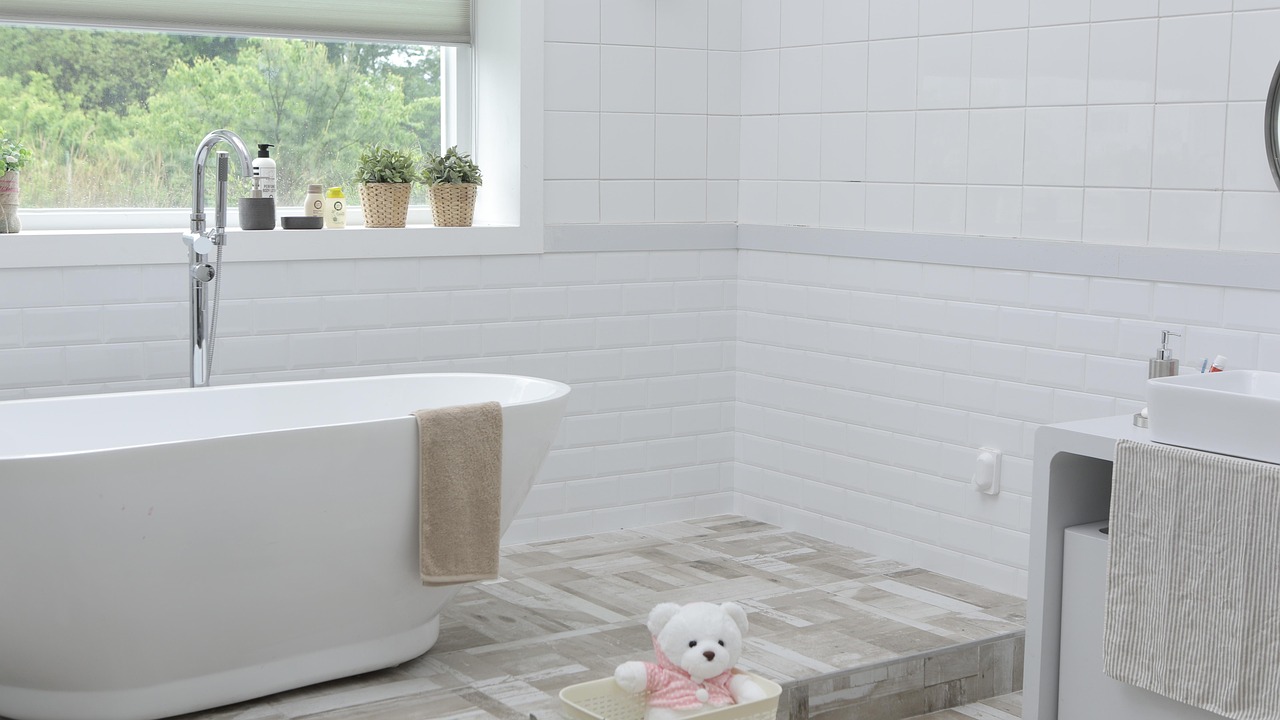

A modern bathroom should feel stylish without losing sight of everyday comfort.
From the surfaces covering the walls and floor to the fixtures used every day, each element has a role to play in creating a space that feels organised, practical and inviting. Good design is not simply about following trends but about choosing features that work naturally within the room.
Planning the right combination of products can also make the transformation process much easier. Visiting a specialist Bathroom Store gives you the opportunity to consider different tiles, fixtures, storage solutions, and finishing touches together. This makes it easier to create a consistent design while keeping your practical requirements in mind.
Create a Layout That Feels Natural
The layout should be one of the first things to consider when planning a modern bathroom. Even the most attractive products can feel out of place if they make the room difficult to move around.
Think about how the toilet, basin, bath and shower will work together. Leave enough space around each fixture for comfortable use, and consider the position of doors and windows when deciding where everything should go.
A well-planned layout can make a smaller bathroom feel less crowded while helping a larger room feel balanced rather than empty.
Choose Tiles With Purpose
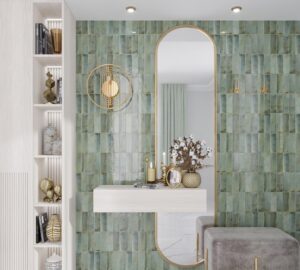
Tiles provide much of the visual foundation of a bathroom. They can introduce colour, texture and pattern while also protecting walls and floors from the demands of a moisture-rich environment.
Consider the overall proportions of the room before choosing a particular style. Subtle tones can create a calm backdrop, while statement tiles can be used in selected areas to add personality without overwhelming the space.
It is also worth considering maintenance. Surfaces that are easy to clean and suitable for regular use can make the bathroom more practical over the long term.
Select Fixtures That Suit Your Space
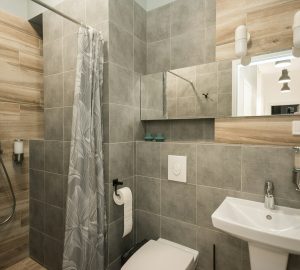
Sanitaryware and bathroom fixtures should be chosen according to both the available space and the way the room will be used. A compact basin may work better in a smaller bathroom, while a larger vanity can provide additional surface area and storage where space allows.
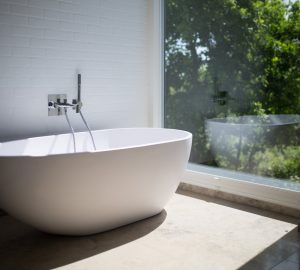
The choice between a bath and shower should also reflect your household’s routines. Some bathrooms may benefit from having both, while others may work better with a streamlined shower arrangement.
Pay attention to shapes and finishes as well. Coordinating the main fixtures can help the room feel more cohesive.
Make Storage Part of the Design
Storage is essential for keeping a bathroom organised, particularly when several people share the space. Instead of adding storage as an afterthought, consider where everything will go during the initial planning stage.
- Keep everyday essentials accessible: Toiletries and frequently used products should be within easy reach without taking over the basin or other surfaces.
- Use vertical space effectively: Wall-mounted cupboards and shelving can add storage while preserving valuable floor space.
- Choose concealed storage where possible: Closed cupboards and vanity units can keep clutter hidden and help the room maintain a cleaner appearance.
Pay Attention to Flooring
Bathroom flooring needs to complement the rest of the design while standing up to everyday use. Consider the colour and finish alongside your wall tiles, sanitaryware and furniture so that the different surfaces feel connected.
A neutral floor can provide a versatile foundation, while a more distinctive finish can become a feature when paired with simpler walls and fixtures.
Practicality should remain a priority. The flooring needs to be appropriate for a bathroom environment and straightforward to maintain as part of your normal cleaning routine.
Plan the Lighting Carefully
Good lighting can make a bathroom feel brighter, more spacious and easier to use. Rather than relying on a single light source, consider how different areas of the room will be illuminated.
Lighting around the mirror and basin is particularly useful for everyday grooming, while general illumination should make the whole room comfortable to navigate. Softer lighting can also create a more relaxing atmosphere during evening routines.
Planning lighting alongside the layout can help ensure that important areas receive the illumination they need.
Coordinate the Smaller Details
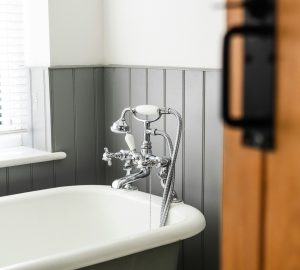
Taps, shower fittings, handles and towel rails may be smaller than the main fixtures, but they can have a noticeable effect on the finished appearance.
Choosing complementary finishes can help create continuity throughout the bathroom. A consistent approach does not mean everything needs to be identical; instead, the different elements should feel as though they belong to the same overall design.
Mirrors and accessories can then add the final layer of personality without making the room feel overly decorated.
Think Beyond Current Trends
A modern bathroom does not have to rely entirely on the latest trends. Choosing a design that feels current while retaining timeless elements can make the room easier to live with for years to come. Consider which features you are likely to appreciate long after the initial transformation. Durable surfaces, practical storage, and comfortable fixtures are generally more valuable than decorative choices that may quickly feel dated.
You can always introduce changing trends through smaller, easier-to-replace accessories.
Bring Everything Together
The final stage is about looking at the bathroom as one complete space. Tiles, flooring, sanitaryware, storage, lighting and accessories should each contribute to the same overall feel.
Before installation, review your choices together rather than considering each item separately. This can highlight any colours, finishes or features that may compete with one another.
A considered approach can result in a bathroom that feels polished without becoming overly complicated.
Conclusion
Creating a modern bathroom is about much more than selecting attractive tiles or contemporary fixtures. The best results come from considering the layout, surfaces, storage and lighting alongside the way the room will actually be used.
With careful planning, every element can have a clear purpose while still contributing to the overall appearance. The result is a bathroom that feels comfortable, organised and modern, while remaining practical enough for everyday life.